Commercial Battery Storage Projects
C&I BESS Projects
Project Brief
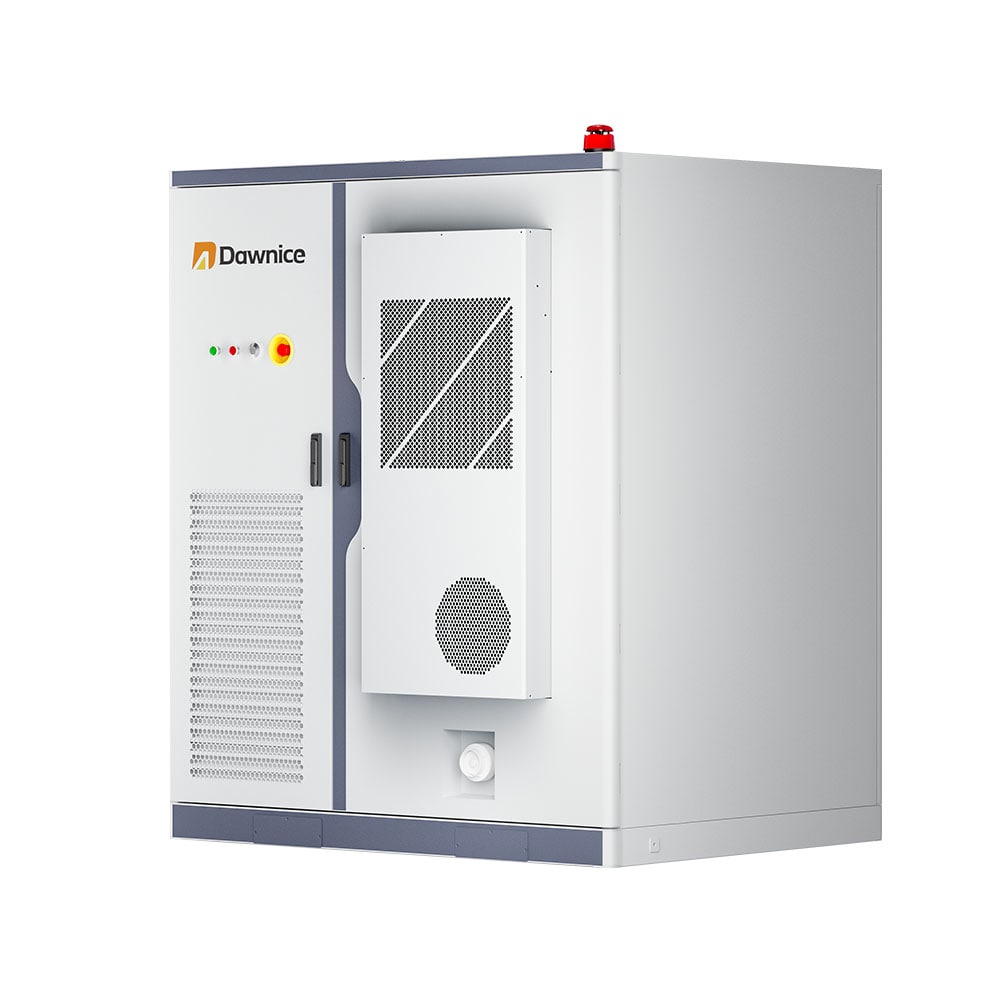
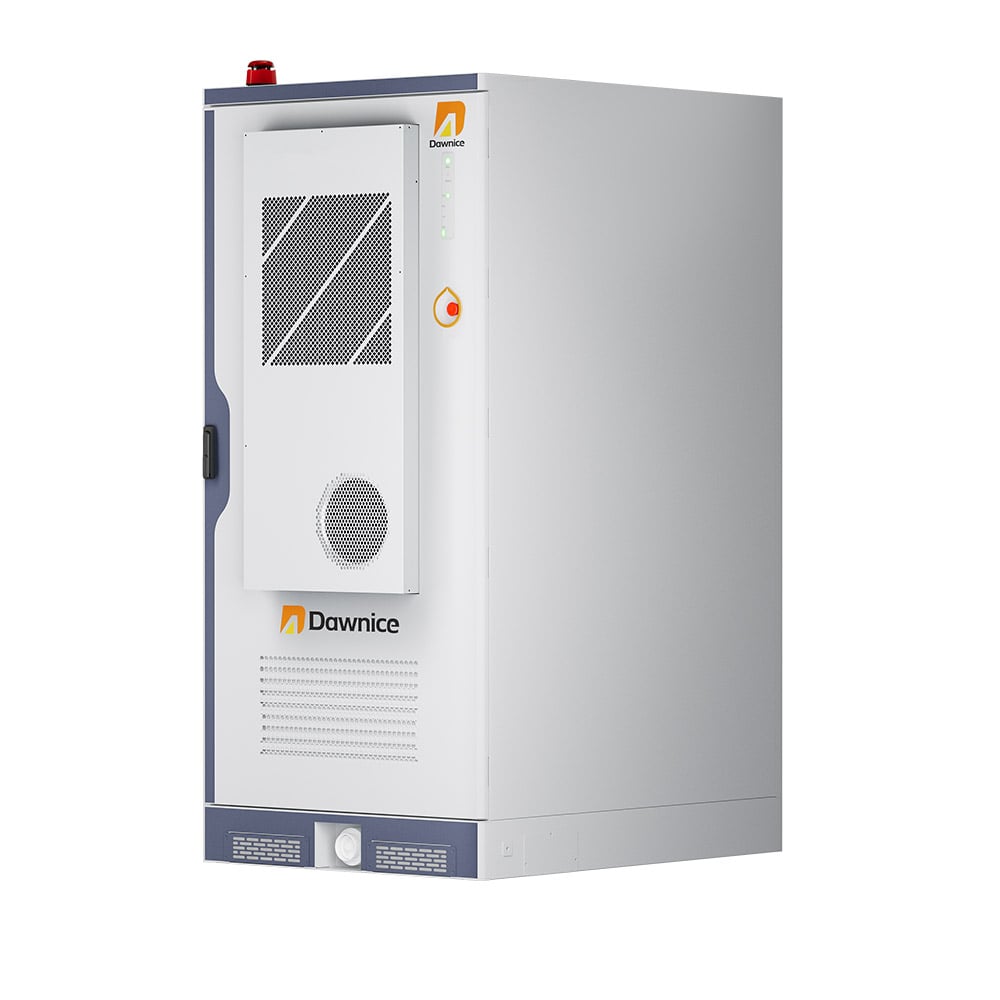
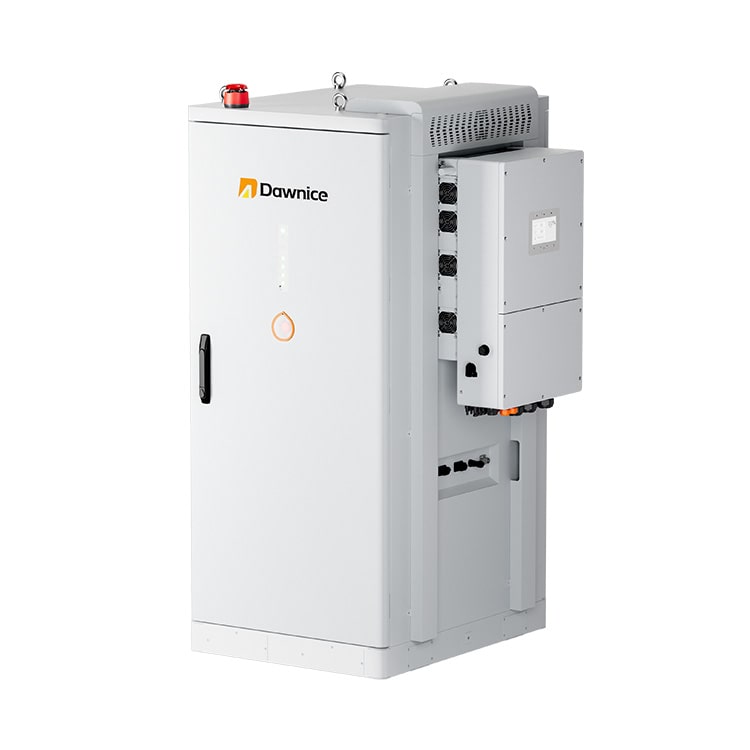
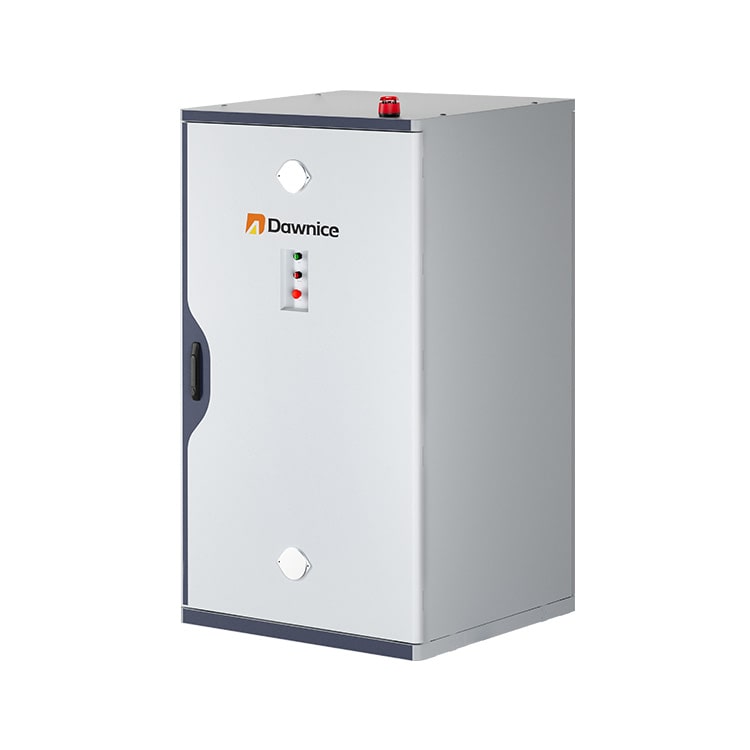
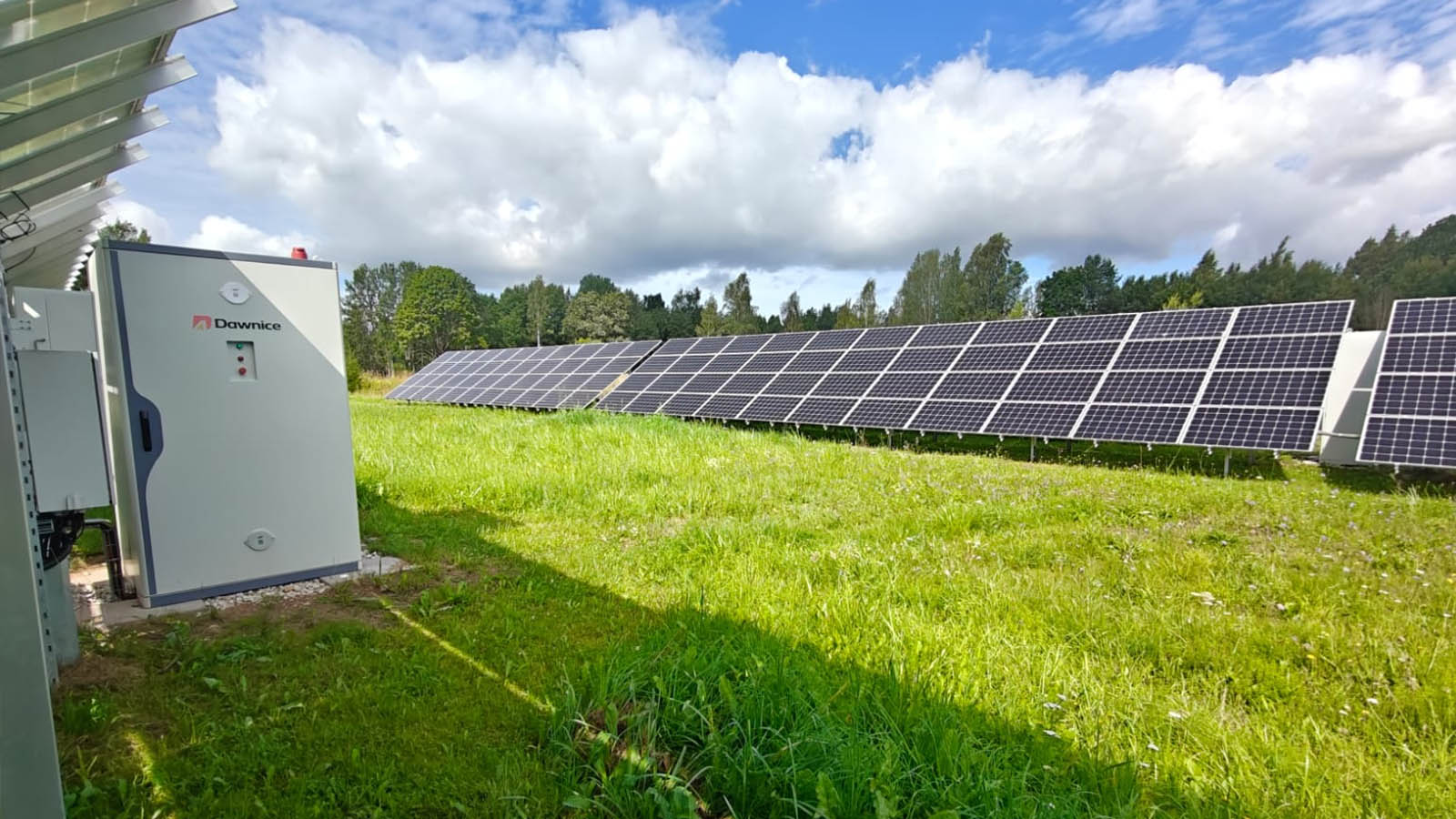
Dawnice has successfully installed a 50kW Deye inverter and 200kWh energy storage system at a small solar farm in the Netherlands. This advanced energy solution is designed to optimize power consumption, reduce energy costs, and enhance sustainability through peak shaving and valley filling.
Background
In the Netherlands, where renewable energy adoption is a priority, small-scale solar farms are becoming increasingly popular for commercial and agricultural use. To address the challenges of energy cost fluctuations and grid reliance, this system was deployed at a farm, providing reliable, self-generated energy while contributing to grid stability.
The project focuses on peak shaving and valley filling, ensuring that excess energy produced during sunny, low-demand periods is stored for use during high-demand hours, reducing grid dependency and energy expenses.
Project Highlights
-
50kW Deye Inverter + 200kWh Energy Storage
A compact and efficient solution for small-scale solar farms, capable of managing both energy production and storage for optimal use. -
Peak Shaving and Valley Filling
The system stores excess solar energy during the day when demand is low and releases it during peak hours, balancing energy consumption and reducing reliance on the grid. -
Supports Agricultural Sustainability
The system provides the farm with a reliable, cost-effective power supply, contributing to energy independence and supporting sustainable farming practices. -
Ideal for Small-Scale Solar Farms
This solution is perfectly suited for small solar installations, ensuring efficient energy management and long-term cost savings for agricultural operations. -
Energy Security and Cost Reduction
By optimizing energy use, the system reduces electricity costs and provides the farm with a secure, uninterrupted power supply even during grid outages.
Dawnice is committed to empowering farms and businesses across the Netherlands with smart, scalable energy solutions, helping them transition to sustainable, cost-effective energy models.