Blog
Blog
Why Off-Grid Living Is a Powerful Choice for Energy Freedom
Published by Dawnice, January 13, 2026
What Does Off-Grid Living Really Mean?
Off-grid living means living independently from public utility systems, especially the electrical grid. When people ask “what does off the grid living mean?”, the simplest answer is this: your home does not rely on centralized electricity, water, or gas networks.
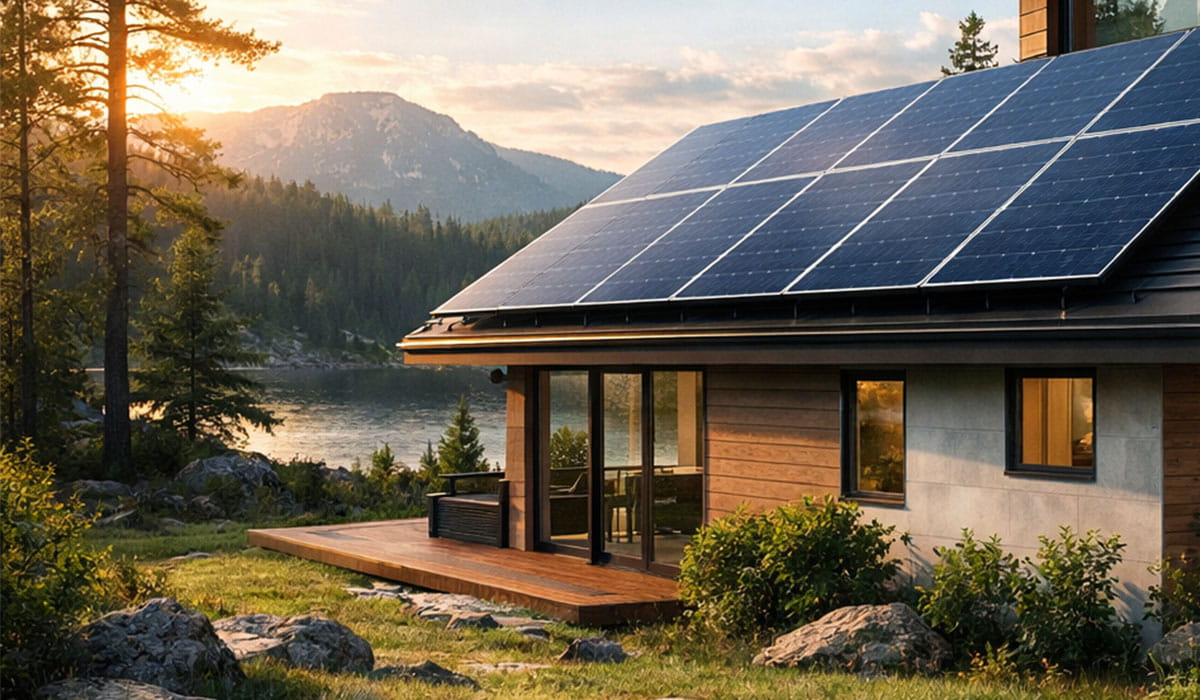
Instead, off-grid homes generate their own power using solar panels, battery storage, generators, or stand-alone power systems. This definition of off grid living focuses on self-sufficiency, not isolation. Many people still use the internet, modern appliances, and smart energy management—just without the grid.
Why Are More People Choosing to Go Off the Grid?
In recent years, more homeowners are choosing to go off grid for practical reasons, not just lifestyle ideals. Rising electricity prices, frequent blackouts, and unstable power infrastructure make grid dependence risky.
Off-grid living offers energy security and cost control. Once a solar-plus-battery system is installed, energy becomes predictable and largely immune to utility rate hikes. For rural areas or regions with unreliable electricity, off-grid power is often the most reliable option, not an extreme one.
Off-Grid vs On-Grid: What’s the Real Difference?
Living on the grid means your home depends on public utilities. Living off the grid means your power comes from off-grid electricity sources such as solar arrays, batteries, or hybrid systems.
An off-grid system includes solar panels, an inverter, battery storage, and usually a backup generator. Unlike grid-tied homes, off-grid homes must produce and store enough energy to survive day and night, summer and winter. This difference explains why energy storage batteries are central to off-grid living.
Is It Legal to Live Off the Grid?
A common question is: is it illegal to live off the grid? In most countries and U.S. states, off-grid living is legal, but regulations vary.
Some regions require connection to water or sewer systems, while others allow full off-grid homes. Off-grid living laws usually focus on safety, building codes, and sanitation, not energy independence. So while it’s generally legal to live off grid, local rules must always be checked before building or disconnecting.
How Much Does It Cost to Live Off Grid?
The cost to live off grid depends on location, energy usage, and system size. A basic off-grid solar power system can start from a few thousand dollars, while larger self-sustaining houses cost more upfront.
However, over time, off-grid living often reduces long-term expenses. No monthly electricity bills, fewer utility fees, and energy independence offset the initial investment. Many people go off the grid not because it’s cheap—but because it’s financially smarter in the long run.
What Power Systems Do Off-Grid Homes Use?
Off-grid homes rely on stand-alone power systems, usually centered around solar energy. A typical setup includes solar panels, lithium battery storage, and an inverter to manage electricity flow.
Battery storage is critical. Without it, solar power would stop at night. Modern lithium batteries allow off-grid homes to run refrigerators, lights, and even air conditioning reliably. This is why energy storage has become the backbone of modern off-grid living.
Who Are the People Living Off the Grid?
People who live off the grid—often called off-gridders—are not all the same. Some live in rural areas, others in remote regions, and some even near cities.
They include farmers, remote workers, families seeking energy independence, and homeowners tired of power outages. Off-grid living is no longer fringe; it’s a practical energy strategy adopted by people who value reliability and control.
Is Off-Grid Living a Good Idea for You?
Off-grid living is ideal if you want energy independence, reliability, and long-term cost stability. It requires planning, proper system design, and realistic energy management.